POS History
Explore the history of POS systems from 1950 to today, and learn how modern technology helps beauty businesses manage sales, payments, reports, and more!
According to recent studies, mPOS terminals are expected to become increasingly adopted as an alternative to conventional payment methods due to their mobility, lower upfront costs, and improved user experience.
Keeping up with newer applications that have been introduced to facilitate POS transactions on phones and tablets, our solution is relevant to beauty businesses all around the world, ensuring payments can be processed directly at the point of service without any traditional, expensive hardware or fixed checkout terminal.
The POS system has become an essential tool in the world of commerce. Evolving beyond simply recording sales, it helps businesses manage inventory, process digital payments, and gain access to essential information about customer behaviour.
Before morphing into what it is today, the POS evolved for more than seven decades. Its history begins with mechanical cash registers in the middle of the 20th century and continues with the development of smart, customized platforms.
1950s: The Era of the Mechanical Cash Register
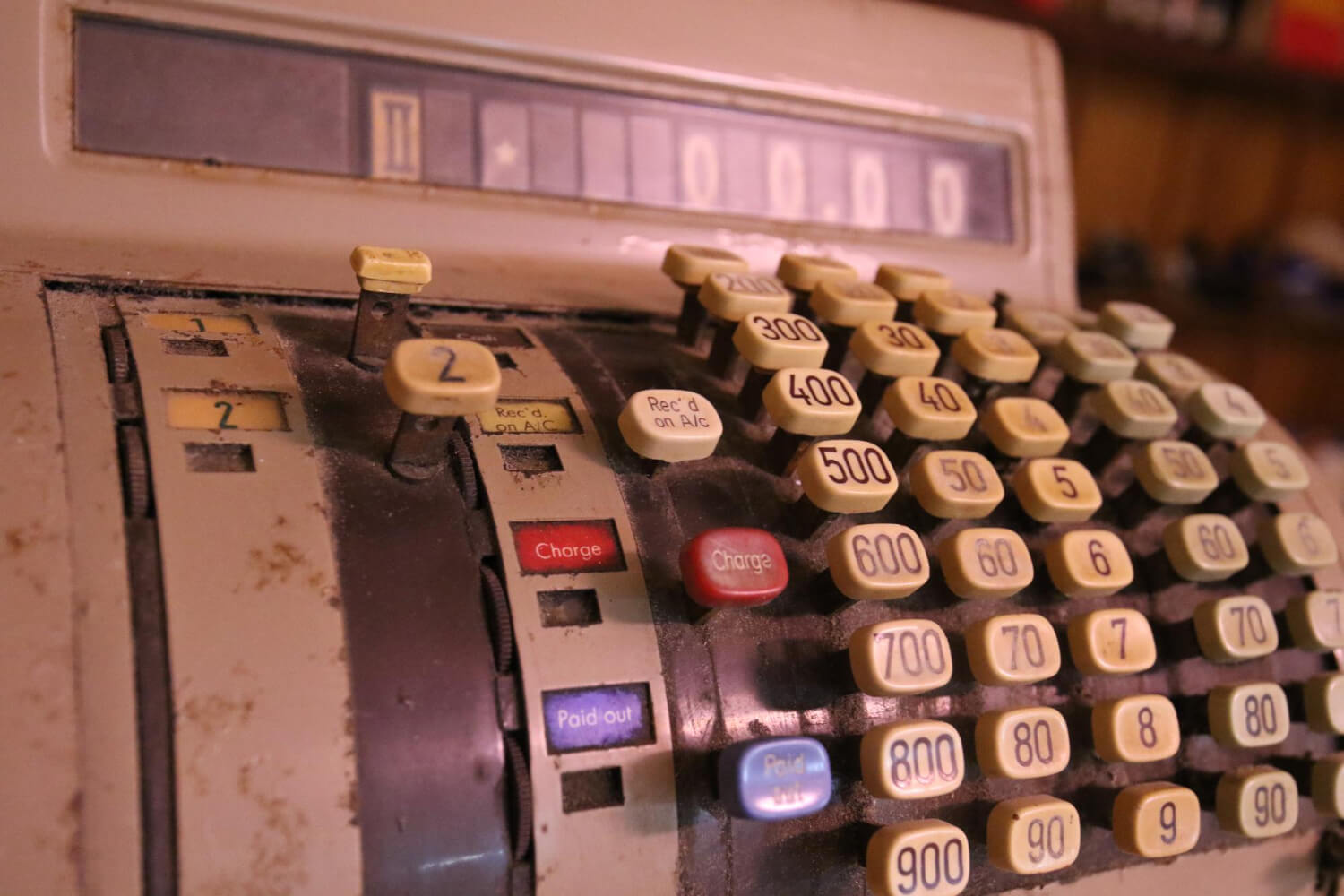
In the 1950s, most retailers relied on mechanical cash registers, but a typical transaction involved the cashier entering the amount manually. The machine would then record the sale, open the cash drawer, and give out a printed receipt.
At this point in time, there was no concept of an integrated POS system yet, and businesses relied on manual work for anything that went beyond the transaction itself. Inventory was tracked on paper, accounting was a completely different department, and managers had limited access to real-time information.
1960s: The Era of the Electronic Cash Register
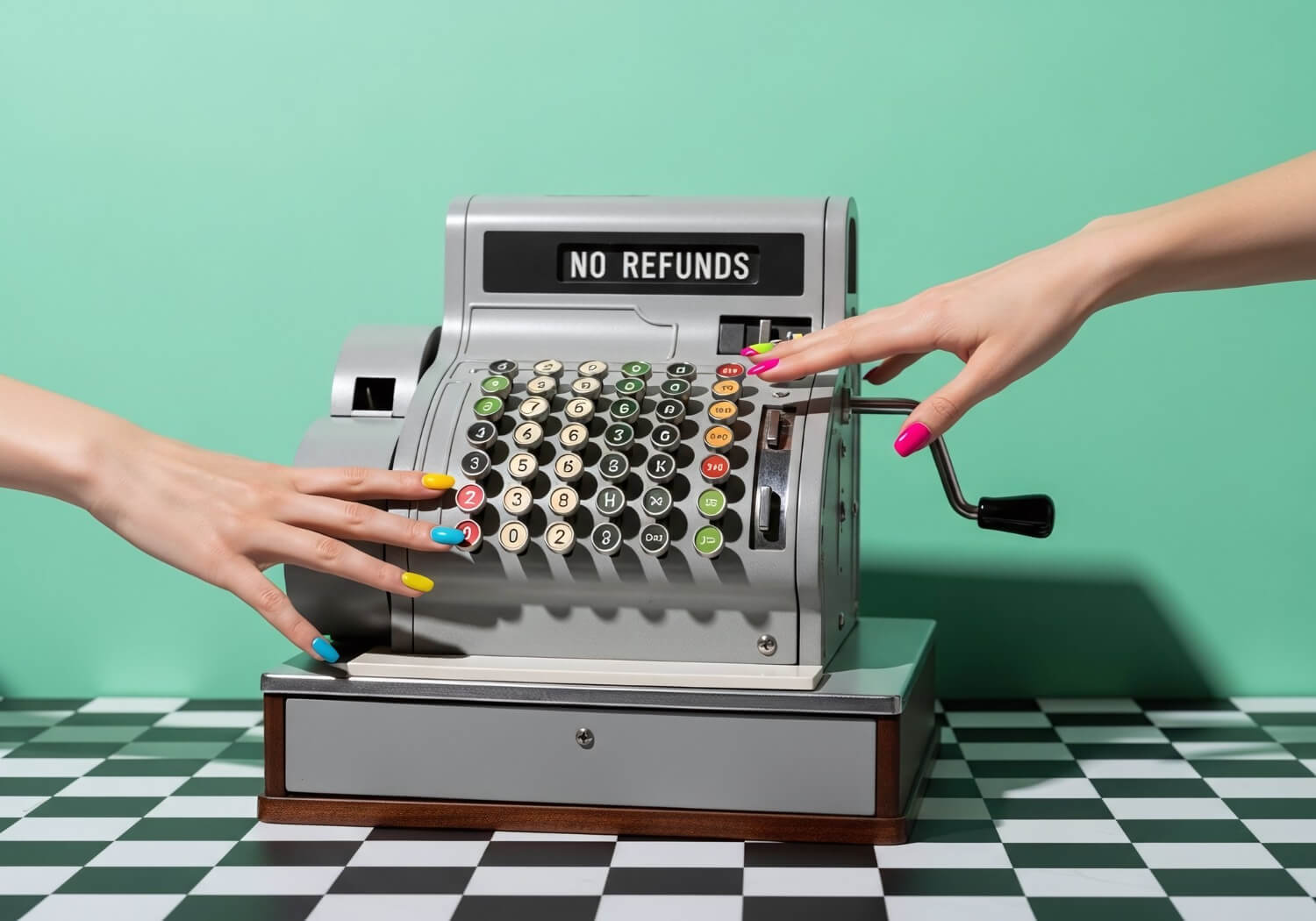
In the 1960s, electronic cash registers began appearing, providing better speed and accuracy. These systems could store more information and, for the first time, had programmable features.
A revolutionary idea emerged from this period: sales information could be managed electronically and eventually used for more than opening a cash drawer.
1970s: The Birth of the Modern POS
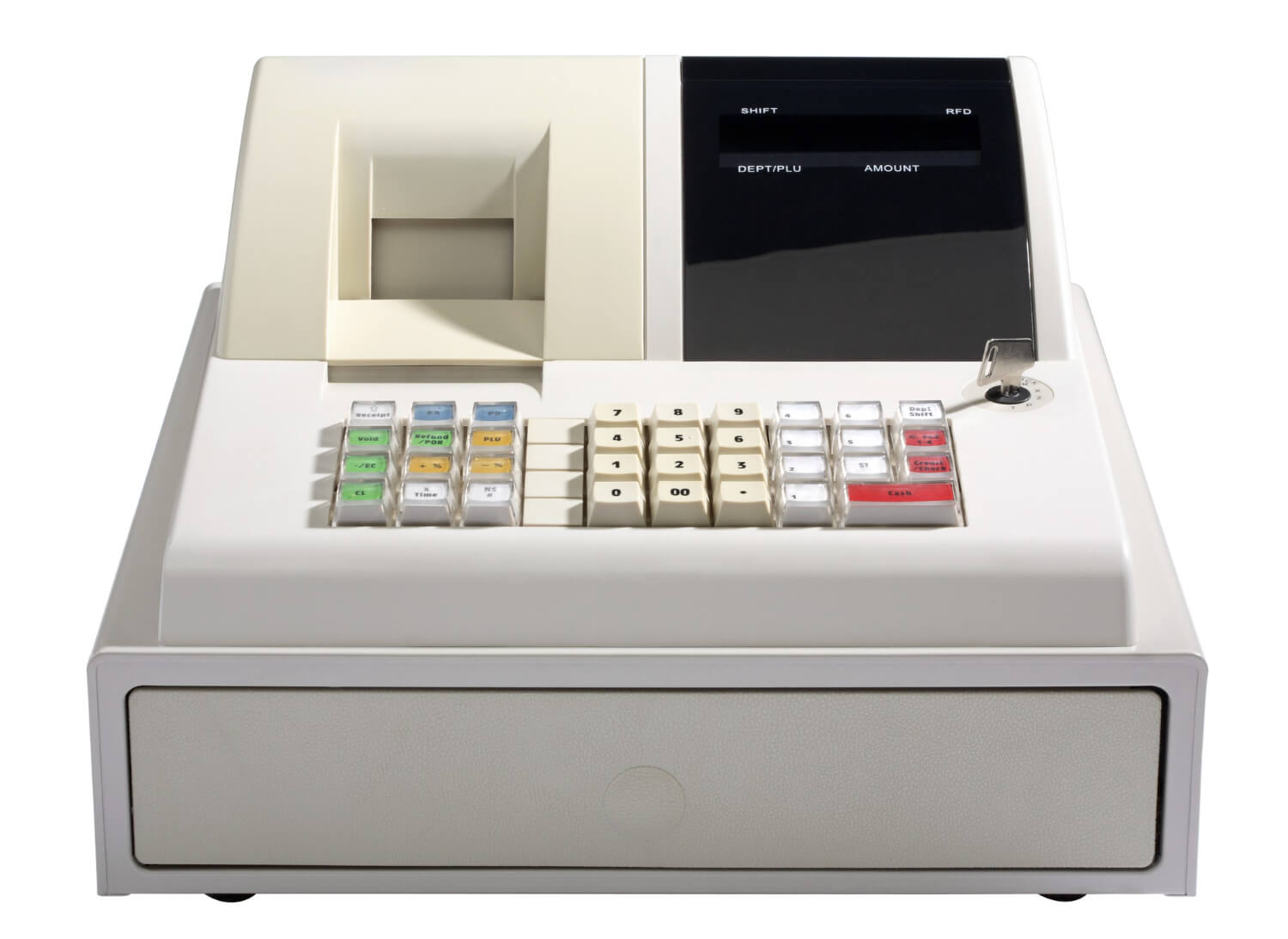
With the introduction of the Universal Product Code (UPC) and barcode scanning, the 1970s became a turning point in the history of POS systems. Instead of having cashiers enter every product and price manually, products could finally be identified by their label.
The first barcode scan took place in 1974, in Troy, Ohio, when a pack of chewing gum changed retail history forever.
At the same time, businesses began adopting computerized cash registers and early POS terminals that could connect transactions with product information.
1980s: The Computerized POS
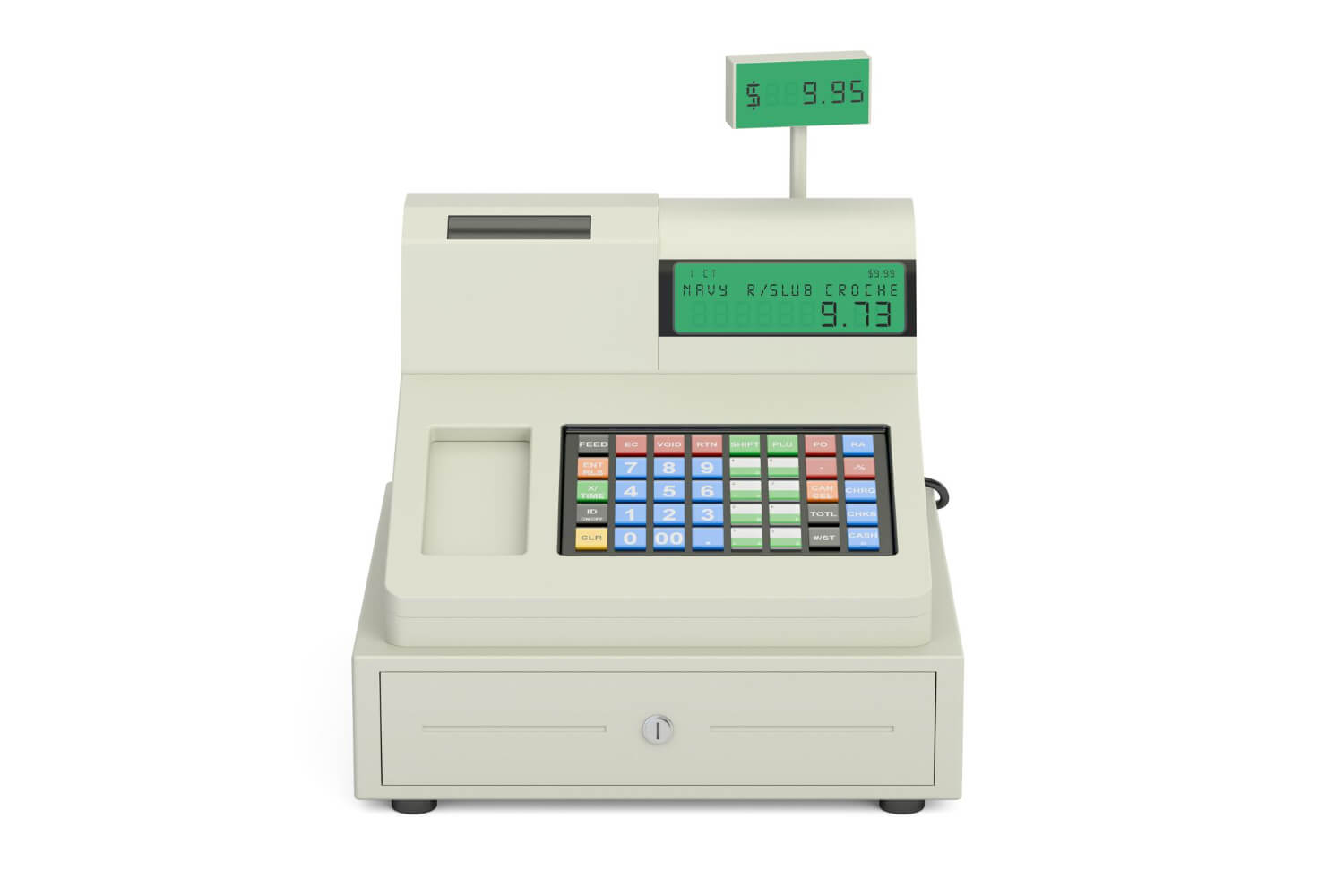
During the 1980s, personal computers became more and more accessible, so computerized POS systems started spreading in retail, hospitality, and other industries.
POS terminals could now record sales, calculate taxes, print receipts, track products, and support multiple payment methods, taking their first steps toward becoming management tools.
1990s: The Integrated POS
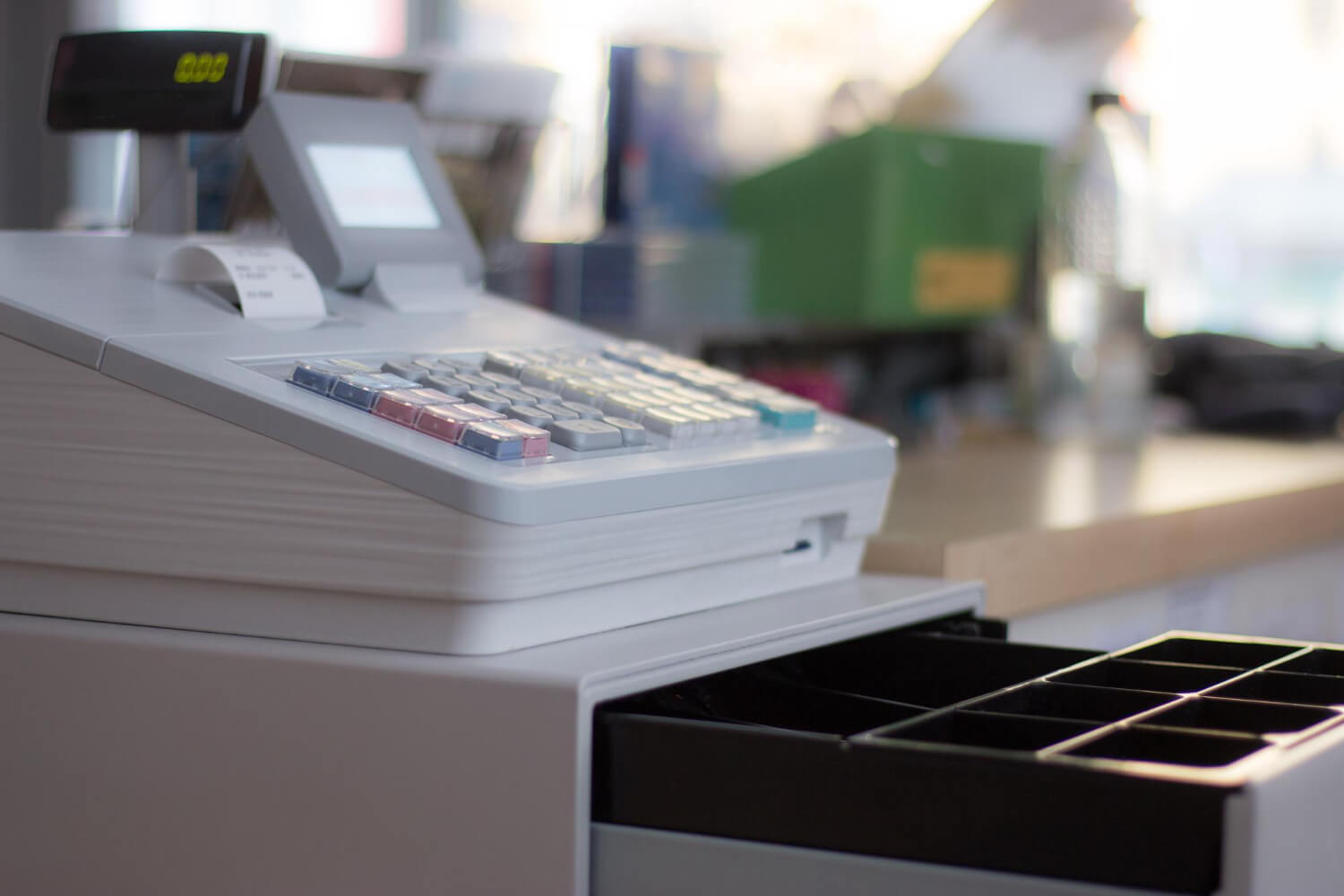
With the emergence of networking, POS terminals in the 90s could finally communicate with centralized databases. This made it possible for companies with multiple checkout stations, departments, and locations to manage it all more easily, while the growth of credit and debit card payments also transformed the experience.
Although POS systems became more sophisticated, they were still installed on local computers and servers, so businesses had to purchase and maintain the hardware and softwares themselves.
2000s: The POS in the Age of the Internet
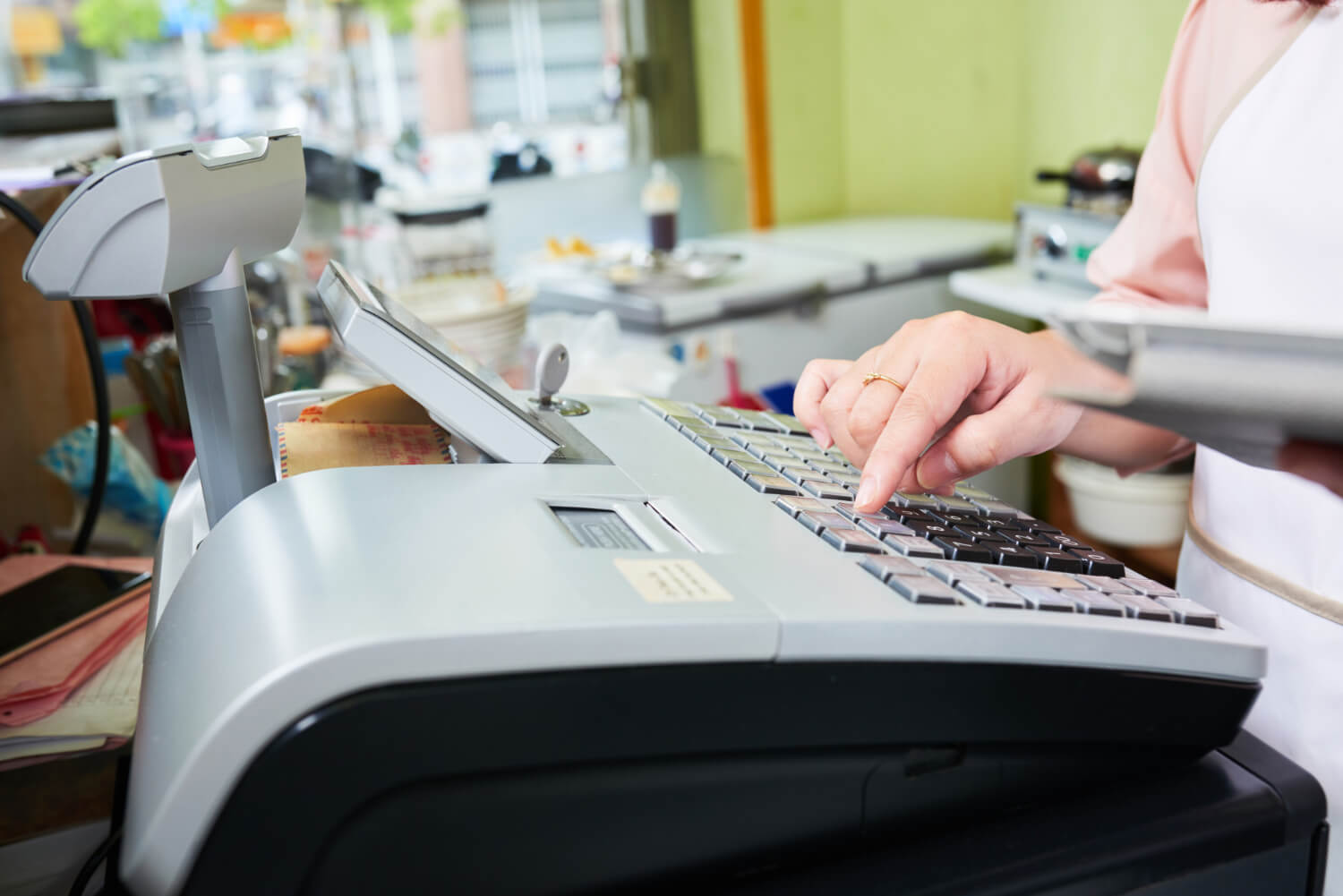
The arrival of the internet in the 2000s was the catalyst for a new generation of POS technology. Businesses began connecting the systems to online services, payment processors, accounting softwares, loyalty programs, and more centralized databases.
Electronic payments continued to expand with the popularization of chip cards, contactless technologies, and online commerce, changing customer habits. This is why POS systems needed to support multiple channels, including online stores.
2010s: The Mobile POS
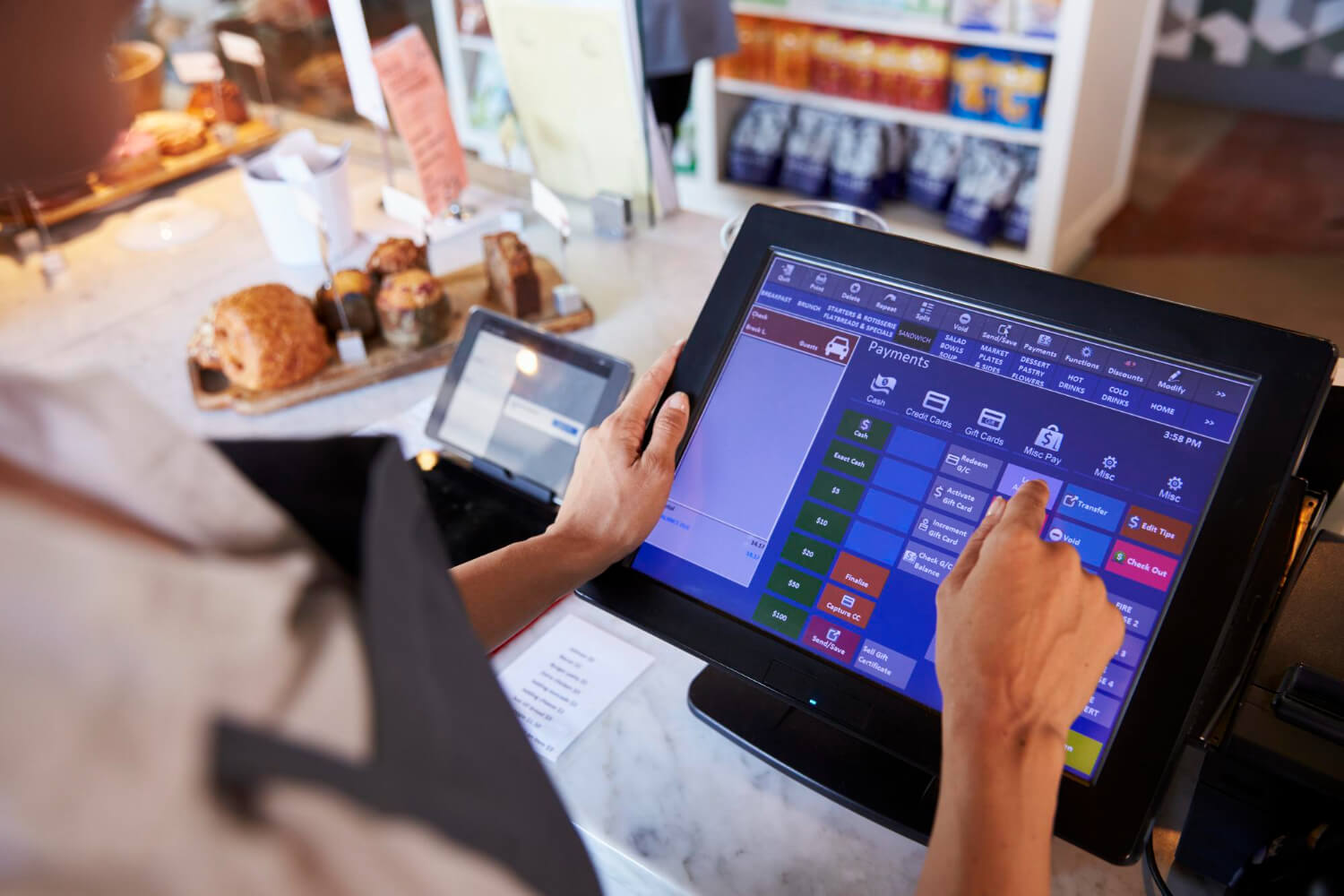
In the 2010s, cloud computing made it possible for businesses to host the POS software and various data remotely, without relying entirely on a local server. That meant they could access information from different locations and devices, and that software updates could be delivered remotely.
At the same time, smartphones and tablets created a new type of POS. Instead of a traditional, fixed, checkout counter, businesses and freelancers could use devices they already had inside their homes. That meant transactions could be completed almost anywhere.
This new option became incredibly valuable for restaurants, cafes, pop-up stores, events, small retailers, and, later, professionals working in the beauty industry.
A POS could now include payment hardware, mobile applications, inventory management, CRM, team management, analytics, and online ordering or booking.
2020s: The Contactless POS
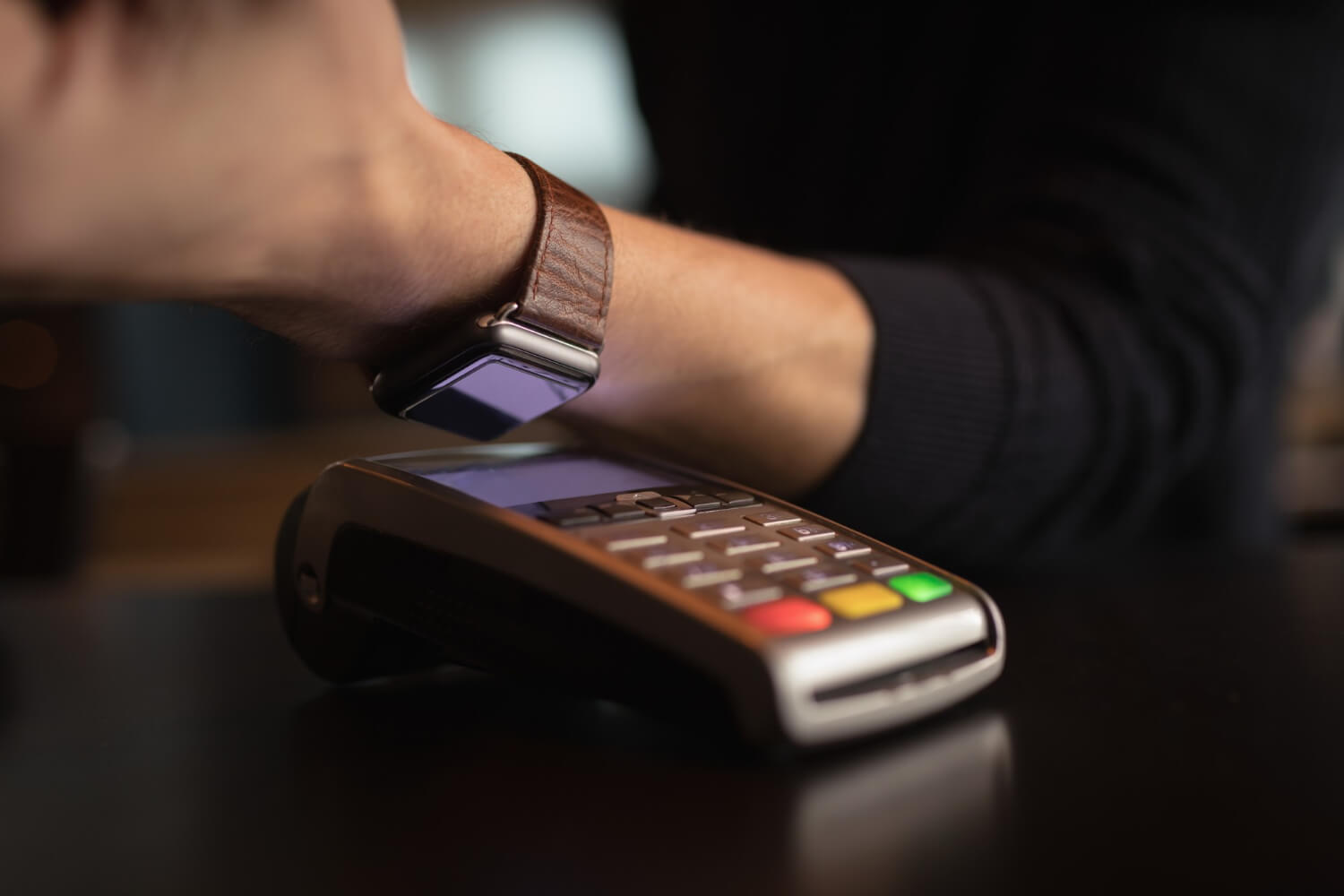
Today, when clients expect to pay using cards, smartphones, smartwatches, QR codes, and other digital methods, contactless payments have become the standard.
The differences between online and offline markets have become less noticeable, and the POS we have nowadays can connect the physical store to the online store, the mobile app, the customer data, and accounting in just a few taps. All sales channels are part of the same ecosystem.
What’s Next?
The Emergence of AI-Powered POS Systems
The latest stage of POS development is increasingly influenced by artificial intelligence and automation. Systems can now analyze large amounts of data in order to identify patterns that matter in the decision-making process.
In the future, POS platforms will be able to forecast sales, optimize inventory, personalize promotions, detect fraud more easily, and recommend products. The shift is clear: it’s not about what happened anymore, but why something happened and what we can do next.
How Does the Modern POS Help Businesses in the Beauty Services Industry?
Doing much more than simply processing payments, a salon POS system integrates the payment process into the booking flow, improves the customer experience with personalized profiles, speeds up the checkout by allowing multiple payment methods, tracks schedules and services performed, supports loyalty with purchase data that can be used for targeted campaigns, and reduces manual work, so specialists can focus on doing what they love.
What is a modern POS system for beauty businesses?
A modern POS for beauty businesses is a solution that manages payments, sales, customer information, and daily operations. Unlike traditional cash registers, it uses multiple business functions and integrates them into the same system.
Can a POS system help salons grow?
Yes! By bringing transactions, customer information, and reports together, the salon POS reduces administrative work and gives owners greater knowledge of their businesses.
Send your details - we do the rest!
We offer all you need for a thriving salon: website & logo creation, instant profile setup, 1:1 staff training payment system integration, intuitive appointment management, and more!
Start Now
TimeTailor’s salon appointment software is an all-in-one salon online booking system for freelancers and small business owners. We also optimize or create a website for your salon. This POS system allows you to take deposits and manage payments.